There are millions of children living in orphanages around the world.
Does that make them orphans? Not necessarily.
It is one of the most persistent misconceptions in global development: that the millions of children living in orphanages are there because they have no parents.
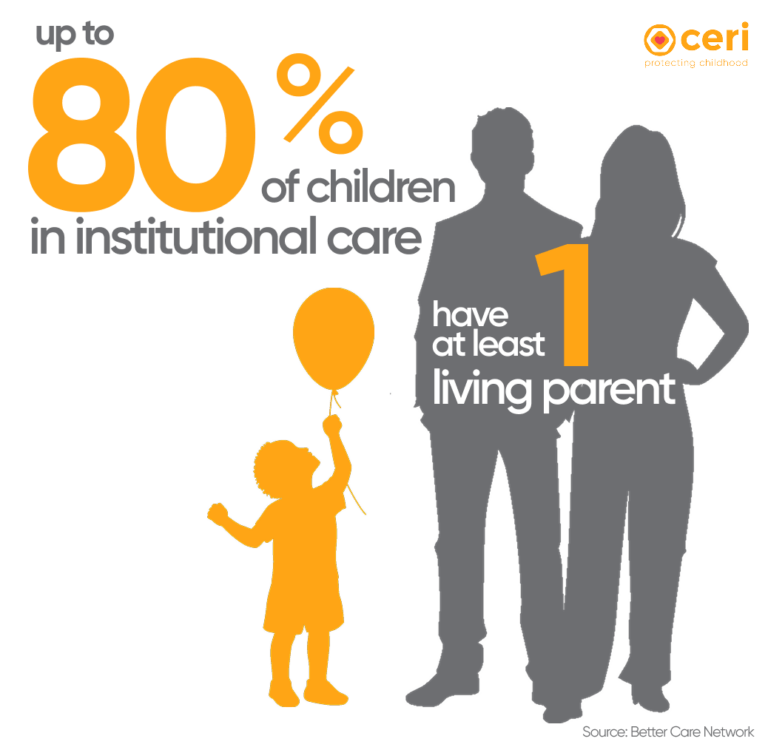
Reality tells a different story. Research consistently shows that up to 80% of children living in institutional care globally have at least one living parent. Most of these children are not “orphans” in the traditional sense.
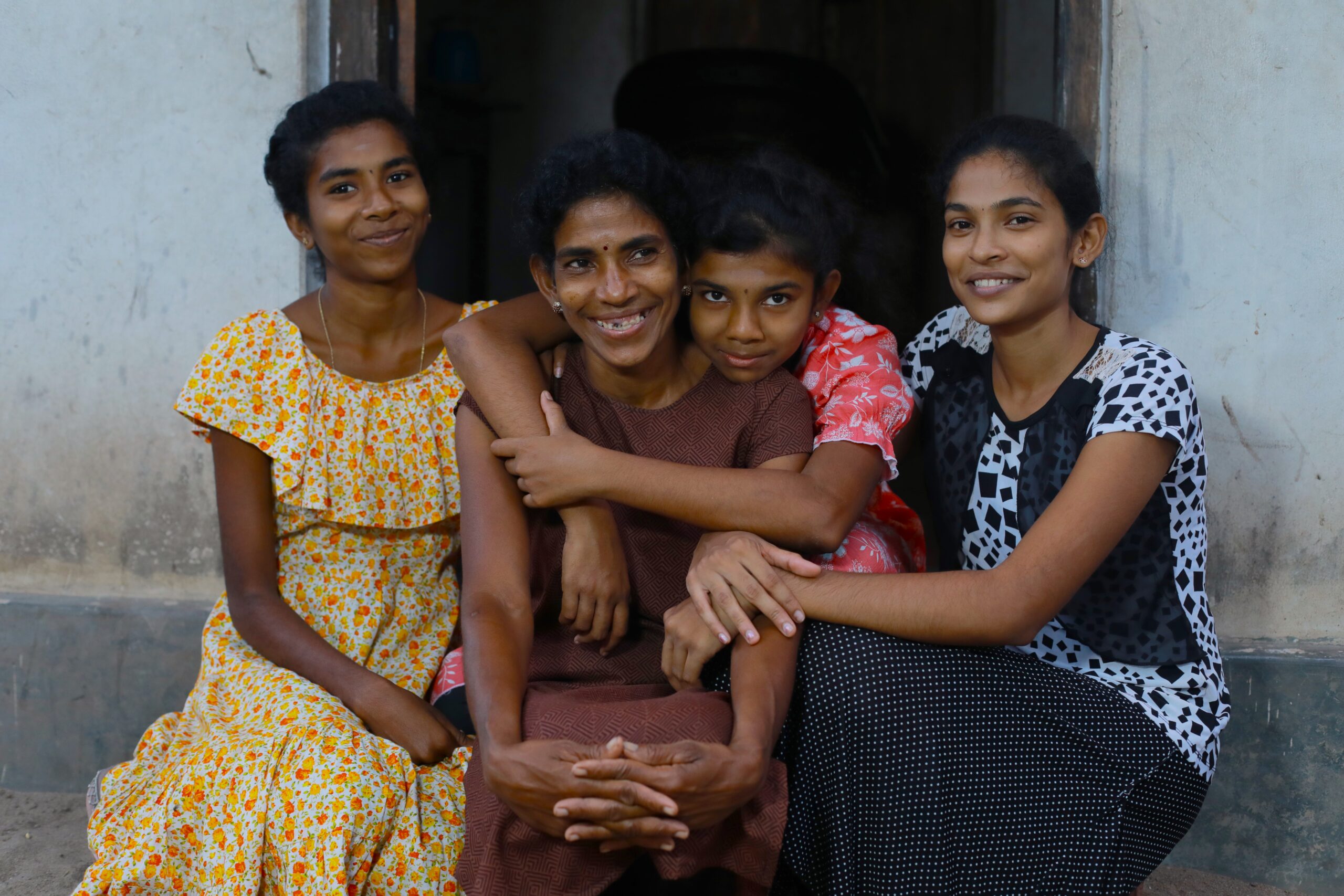
They are children of poverty, disability, or systemic failure. They are in institutions because their families lacked the support, resources, or legal framework to keep them at home.
At CERI, we know that a childhood spent in an institution, no matter how well-run, can never replace the love and stability of a family. That is why we are celebrating a massive systemic breakthrough in Sri Lanka: the successful validation and localization of Form 51.
Accelerating Reform
For years, the push toward deinstitutionalization in Sri Lanka was stuck in limbo; it was discussed, but never fully realized. While national policies favored family-based care, the reality was that child care workers often lacked the tools to manage this. They needed a unified, standardized tool to navigate a child’s transition from an institution back into society.
A draft known as Form 51 (The Individual Child Care Plan) had been developed years ago, but it sat on a shelf, unvalidated and inaccessible. Without a common framework, documentation was inconsistent, assessments were subjective, and many children remained “stuck” in the system simply because there was no clear roadmap to get them out.
CERI’s Catalyst for Change
In mid-2025, the government of Sri Lanka came to us with a request: Could we rewrite Form 51, the form used for every child who enters enters child care and protection in Sri Lanka, to be focused on family-based care?
Of course!
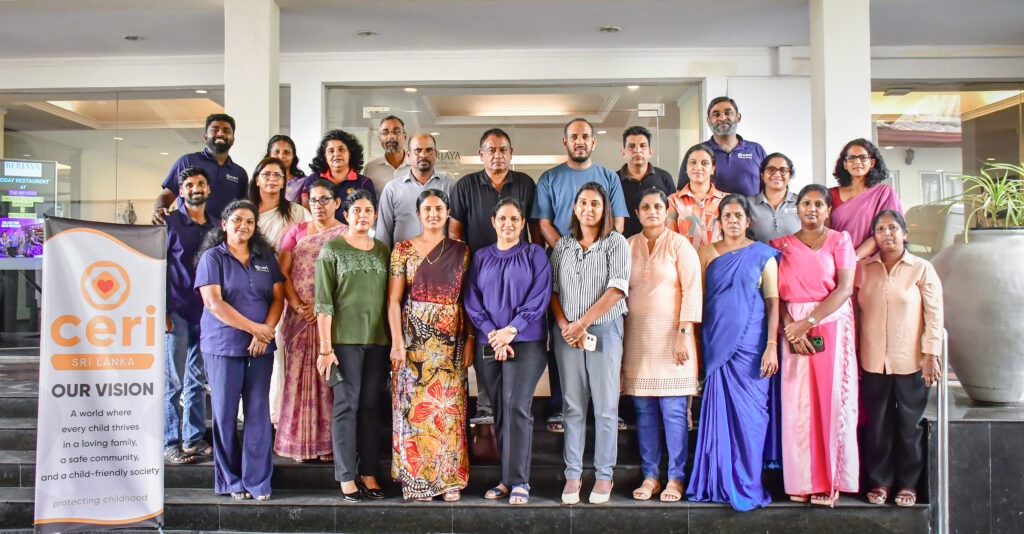
Then, in February 2026, CERI facilitated a landmark Validation Workshop in Colombo, bringing together 19 Probation Officers, the National Commissioner, and provincial leadership to train on the new and improved Form 51.
But we didn’t just re-write a form; we localized and operationalized it.
To ensure this tool actually works at the grassroots level, CERI led the translation of Form 51 into Sinhala and Tamil. By removing language barriers, we have ensured that staff around Sri Lanka can use this tool effectively and equitably.
Why Form 51 Matters
Form 51 is the “operating system” for a child’s future. It provides:
-
-
Standardized Assessments: No more guesswork. Every child is evaluated against the same national criteria and all of it prioritizes keeping children in safe and supported family-based care.
-
-
-
Individualized Planning: Every child’s path to a family is unique, and this form captures the specific medical, educational, and emotional support they need for a successful transition or reunification with family.
-
-
-
Sustainable Reunification: By integrating risk assessments and follow-up guidelines, Form 51 ensures that when a child goes home, they stay home safely.
-
The “orphan myth” suggests that these children have no one. Our work on Form 51 proves that they do – they have families who need support and a government that is finally equipped to lead them home.