In the rural countryside of South Africa, a man in a bottle-green work jacket lugs sacks of rice, flour, and beans over the threshold of his small home. This food was delivered to his door by a CERI case worker, who, after a quick chat, returns to his car and heads down the dirt road. The man waves as the car disappears in the fog of kicked-up dust.
Meet Lwazi.
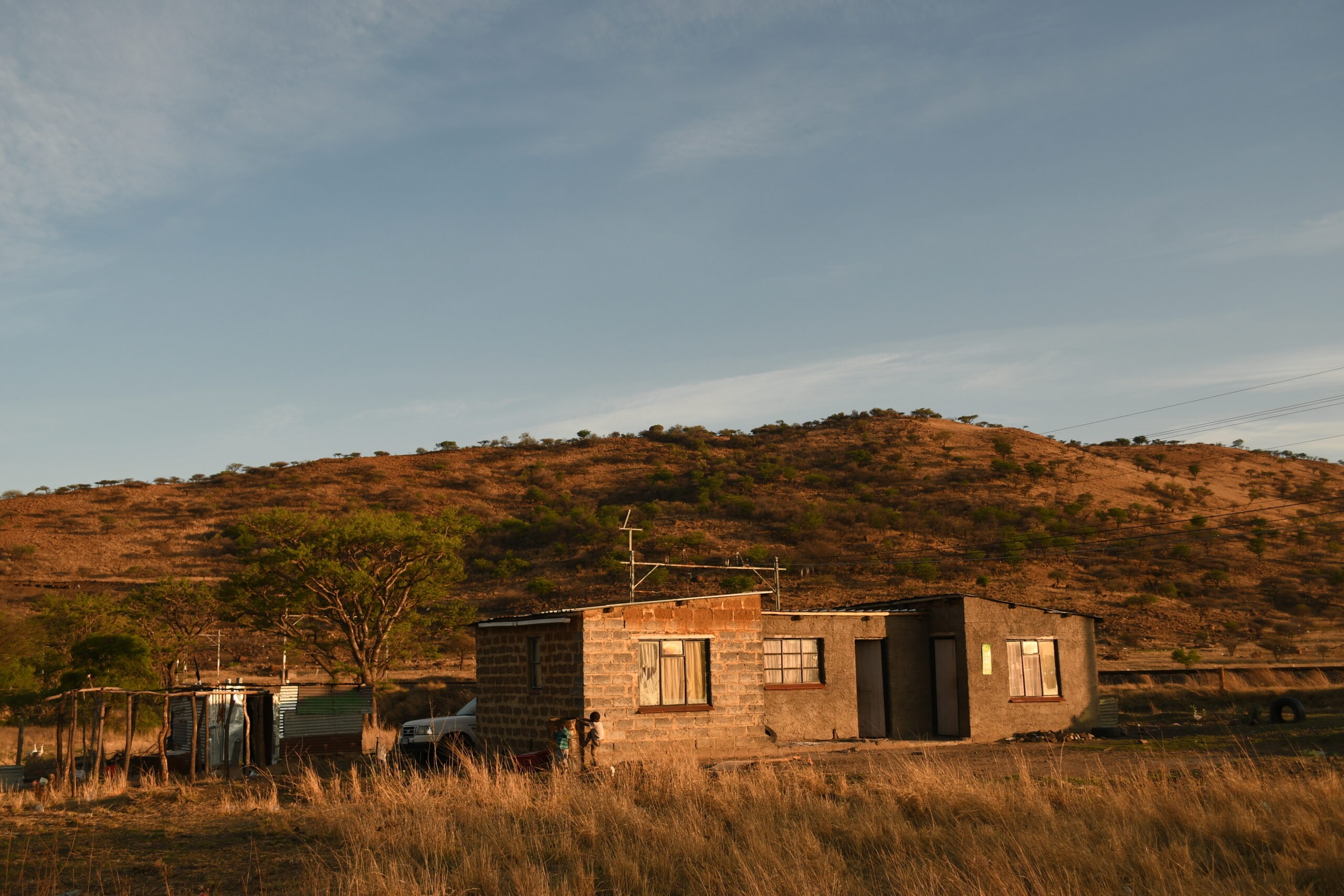
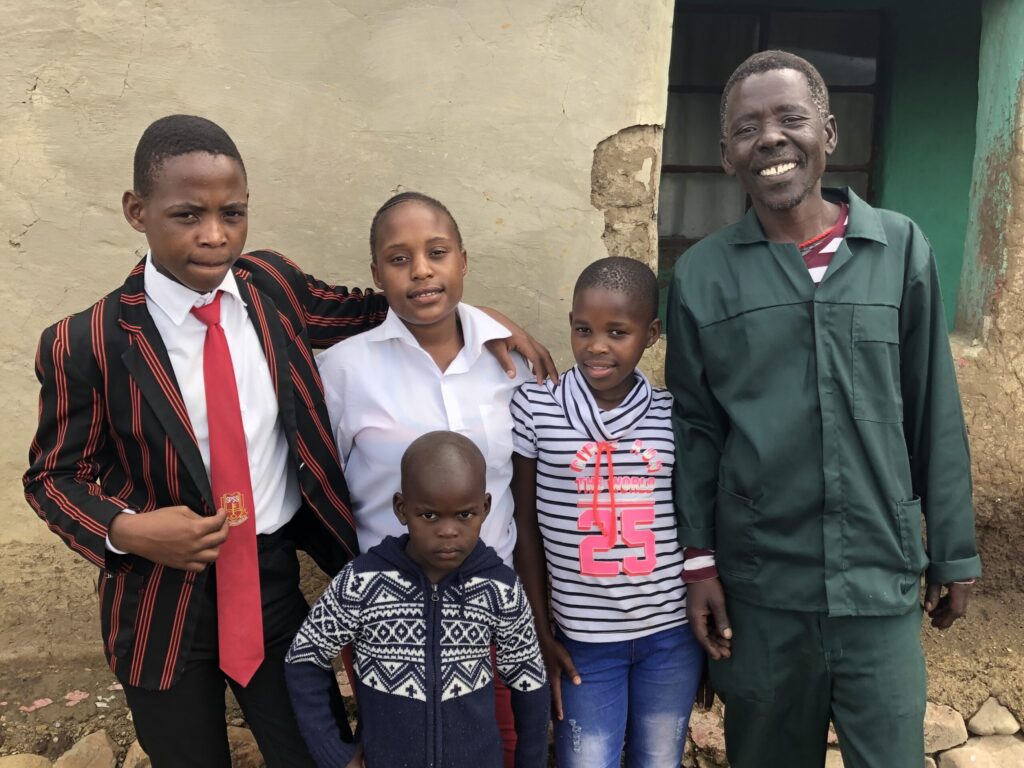
Lwazi and his family live in a rural township near Ladysmith. Their home, a modest abode of concrete and brick, stands alone in the arid, rolling grasslands. In a family photograph, Lwazi stands proudly beside his four children: two sons, two daughters. He beams at the camera, his love for his family radiating warmly.
Behind his brilliant, pearly smile is a father who has remained strong through some of life’s greatest challenges.
After his wife passed away from AIDS a few years ago, Lwazi became the sole caretaker of his four children and granddaughter. He is unable to work and receives a disability pension from the government. Between necessities like bills, food, school supplies, and his medication, the money he receives is not enough to scrape by.
Lwazi’s experience reflects challenges faced by many families in South Africa, where high rates of HIV infection and poverty continue to place significant strain on caregivers, especially those raising children on limited incomes.
Despite these challenges, Lwazi has never stopped investing in his family. When he was referred to CERI by a local healthcare worker, Lwazi saw a major opportunity to change their lives for the better. Through the program, Lwazi connected with a dedicated case manager who provides regular home visits, guidance, and positive parenting support. His family also gained access to a broader network of support within the local community.
One opportunity that has been especially meaningful for the family is their vegetable garden. Through CERI’s garden initiative, the family received seedlings, tools, water storage equipment, and training to establish a home vegetable garden. With the help of his daughter, Samke, Lwazi dutifully tends to the garden to provide his family with a reliable, nutritious source of food.
CERI further identified safe housing as a need for the family. Through a partnership between CERI and Mpilonhle Sanctuary, Lwazi and his family received a new home, creating a safer and more secure environment for the children to grow and thrive.
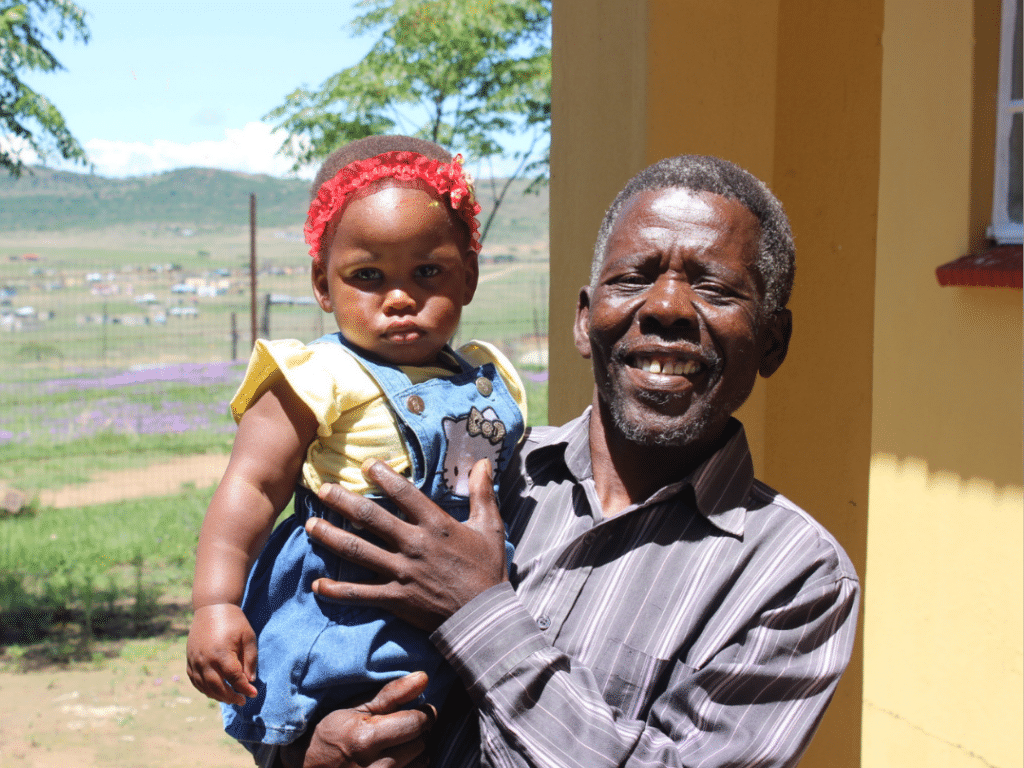
Today, the family also receives a monthly stipend to help cover essential expenses and continues to receive regular support from their case manager. Lwazi remains active in his community and is a familiar face at CERI community events, often accompanied by his young granddaughter.