
Like most people with HIV/AIDS in South Africa, Lwazi receives a disability pension. But it is not enough for a single father raising four children.
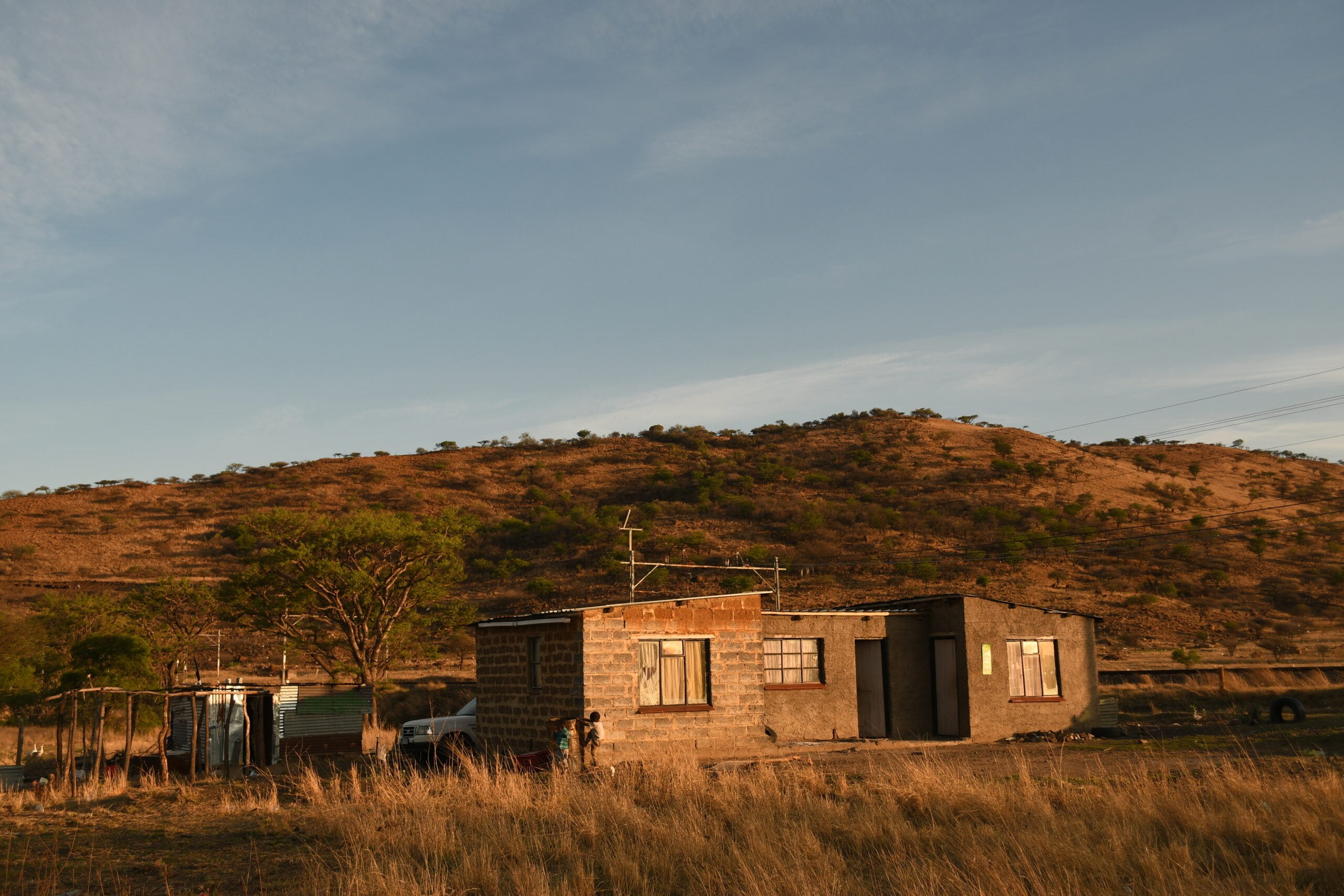
The family lives in a township near Ladysmith, South Africa. It is situated in a rural part of the country, far from the industry of the city. Lwazi has cared for his whole family—a pair of twins, a child and grandchild—since his wife died of AIDS in 2010.

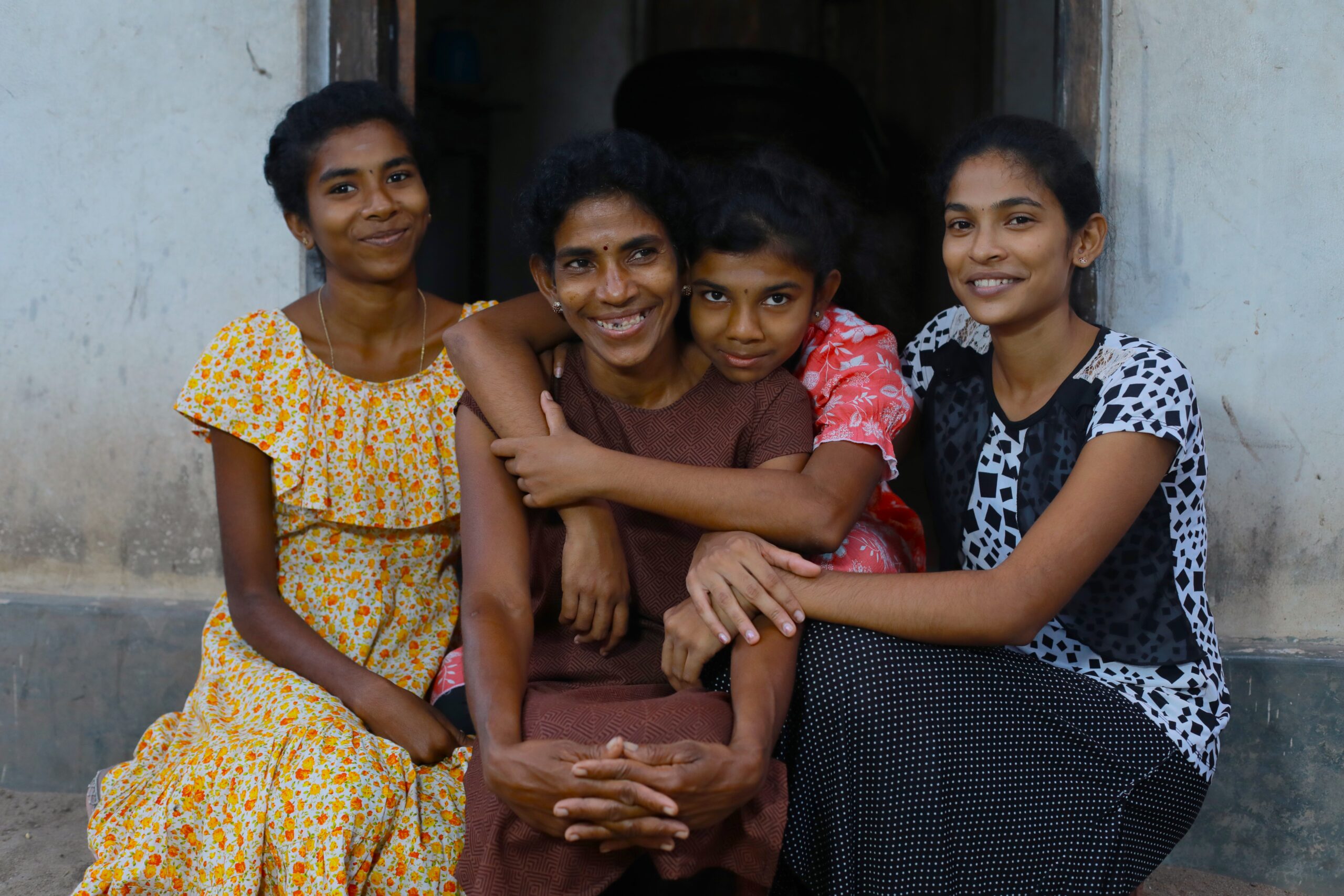
Lwazi with his family (2020).
When the CERI team first met Lwazi in 2016, we planted a food gardens in his neighborhood to help families become self-sustainable and rely less on the government.
We invested in Lwazi and his family so that his children could stay with him, rather than transitioning to an orphanage or facility out of necessity. In turn, Lwazi has invested in his children and works hard to support his family.

CERI also built a new house for Lwazi’s family in partnership with Mpilonhle Sanctuary Organisation and continues to provide counseling and health assistance.

The family’s new home (left). Their previous house (right).
În întreaga lume, CERI ajută familiile de tot felul să găsească modalități de a rămâne împreună. CERI a ajutat familiile timp de 20 de ani în locații precum Africa de Sud, India, Moldova și Sri Lanka prin sponsorizarea copiilor și ajutorul personalului local care poate oferi îngrijire directă și poate întâlni familii acolo unde se află.

CERI staff visiting Lwazi.
CERI continues to stand by the family, but more importantly, Lwazi continues to protect and provide for his family.